
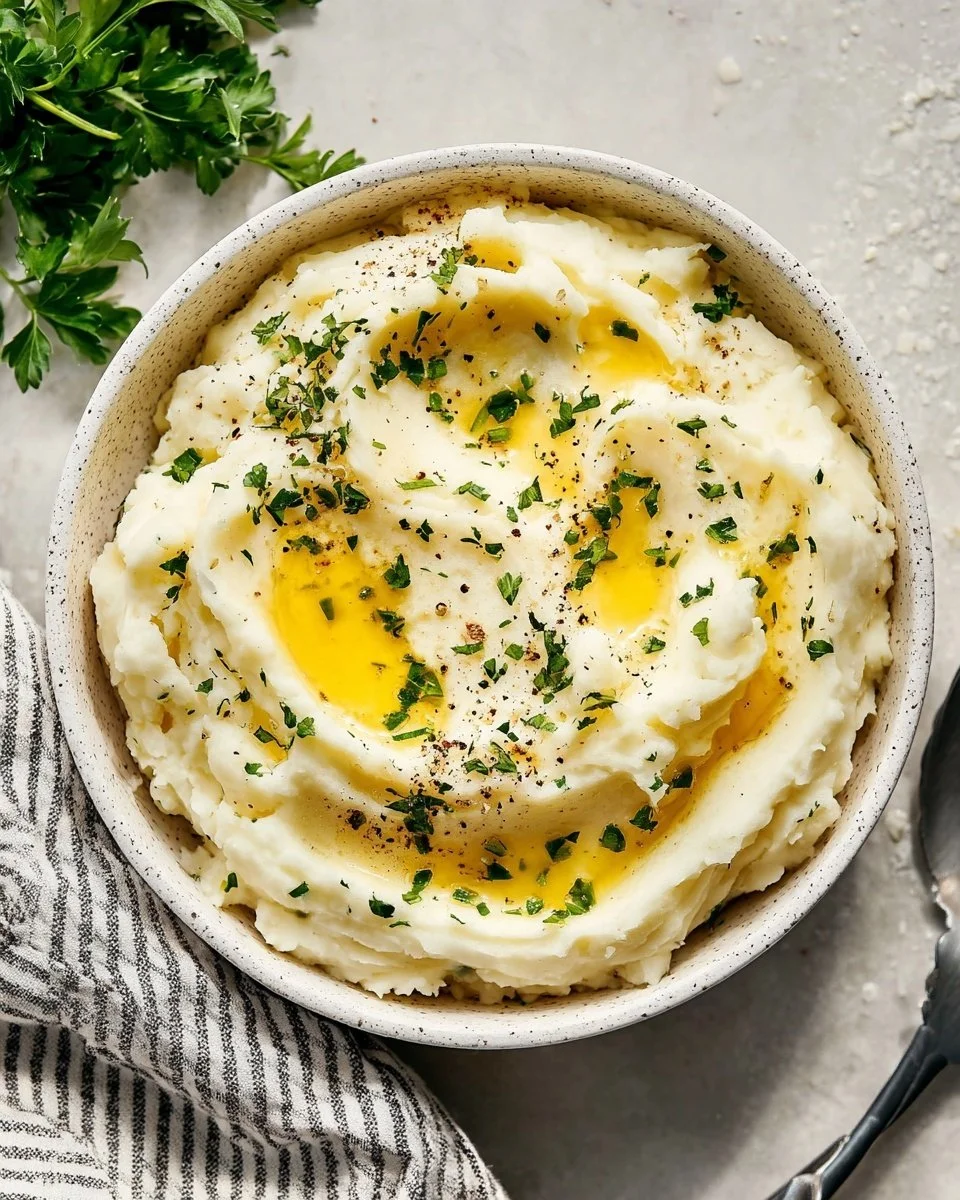
Why Make This Recipe
Classic mashed potatoes are a comforting and beloved dish that many look forward to during mealtime. Their creamy texture and rich flavor can complement a variety of main courses, making them the perfect side dish. Plus, they are easy to prepare and require only a handful of ingredients.
Making classic mashed potatoes from scratch not only allows you to control the flavor and texture but also brings a sense of satisfaction. This dish is a staple at gatherings and dinners, providing a warm touch to any meal.
Equipment Needed for Classic Mashed Potatoes
To prepare classic mashed potatoes, you’ll need a few essential tools. Using the right equipment can make the cooking process smoother and help you achieve the perfect consistency for your mash.
A large pot is essential for boiling the potatoes. You’ll also need a colander to drain them after cooking. A potato masher is the best tool for achieving the desired texture, whether you like them silky smooth or with a bit of chunkiness. If you prefer a creamier texture, a hand mixer can be used, but be cautious to avoid overmixing, which can result in gummy potatoes.
What You Need to Make Classic Mashed Potatoes
- 2 pounds russet potatoes
- 1/2 cup milk
- 1/4 cup butter
- Kosher salt
- Freshly ground black pepper
How to Cook Classic Mashed Potatoes Step by Step
Begin by peeling the russet potatoes and cutting them into even-sized cubes. This ensures they cook uniformly. Once the potatoes are ready, place them in a large pot and cover them with cold water. Add a pinch of kosher salt to the water to enhance the flavor as the potatoes cook.
Bring the water to a boil over medium-high heat. Once boiling, reduce the heat to moderate and let the potatoes cook for about 15 minutes. You want them to become fork-tender, which means they should easily crumble when pierced with a fork.
While the potatoes are boiling, take a small saucepan and add the milk and butter. Warm the mixture over low heat until the butter is completely melted. Be cautious not to let it boil; it should just be warm enough to help blend with the potatoes later. Once your potatoes are tender, drain them using a colander and let them sit for a minute to allow excess moisture to evaporate.
Return the drained potatoes back to the pot. Pour in the warm milk and melted butter mixture. Using a potato masher, begin mashing the potatoes to your preferred consistency. If you like them really creamy, keep adding more warm milk or melted butter until you reach your desired texture.
As you mash, be sure to season with kosher salt and freshly ground black pepper. Taste as you go, adjusting the seasoning until it feels just right. Once everything is mixed well, your classic mashed potatoes are ready to serve. Top them with a pat of butter for an extra touch of richness.
How to Make Classic Mashed Potatoes
Making classic mashed potatoes is straightforward. Start with good quality russet potatoes, as they have the right starch level to yield fluffy mash. Once the potatoes are peeled, chopped, and boiled, the process continues by blending the warm milk and butter until creamy.
The key is to not overwork the potatoes during mashing; overmixing can lead to a gluey texture, which you want to avoid. Instead, try gentle mashing while incorporating the milk and butter gradually. This way, you retain the lightness and fluffiness that good mashed potatoes should have.
How to Serve Classic Mashed Potatoes
Classic mashed potatoes can be served in various ways, depending on the meal. You can simply place a generous scoop on each plate. For a delightful presentation, use a large spoon or an ice cream scoop.
If you’re serving them for a holiday feast or a special occasion, a sprinkle of fresh herbs or a drizzle of gravy can elevate the dish visually and flavorfully. Alternatively, you can keep them warm in a slow cooker if you’re preparing for a large gathering.
What to Serve with Classic Mashed Potatoes
Mashed potatoes are incredibly versatile and go well with many dishes. They are a favorite partner to roast meats such as turkey, chicken, or beef. The creamy texture can balance well with rich gravies and sauces.
Consider pairing them with hearty options like meatloaf or pork chops. Vegetables such as steamed green beans or roasted Brussels sprouts can add a nice contrast and a complete meal experience. For a simple family dinner, serve them with fried chicken for a delightful comfort food feast.
How to Store Classic Mashed Potatoes
If you have leftovers, storing mashed potatoes requires thought to maintain their texture. Allow them to cool down to room temperature before transferring them to an airtight container.
You can keep them in the refrigerator for about three to five days. When you’re ready to enjoy them again, reheat gently on the stovetop or in the microwave, adding a splash of milk or a bit more butter if they have thickened up.
Tips to Make Classic Mashed Potatoes
For the best results, use russet or Yukon gold potatoes. Their high starch content gives a fluffy mash. Avoid waxy varieties like red potatoes, as they can become gummy.
Warm your butter and milk before mixing them with the potatoes to maintain that creamy texture. If you prefer a richer flavor, feel free to substitute cream for milk or use a combination of both.
Lastly, taste as you go. Adjust the salt, pepper, and butter to your liking until the flavors are just right.
Variation
If you’re looking to change things up, try adding roasted garlic to your mashed potatoes for a delightful twist. Another idea is to incorporate fresh herbs like chives, parsley, or thyme for added flavor. For a cheesy variation, mix in grated Parmesan or cheddar before serving.
You can also experiment with different dairy products. Sour cream adds a wonderful tang, while cream cheese delivers a velvety texture. The possibilities are endless!
Best Time to Make Classic Mashed Potatoes
Classic mashed potatoes often take center stage during the holiday season, particularly at Thanksgiving or Christmas. However, they are perfect year-round. Any family dinner or special occasion can benefit from their comforting presence.
Weeknight dinners are also an excellent opportunity for mashed potatoes. They can transform simple meals into something special without taking too much time to prepare.
Common Mistakes to Avoid
One common mistake when making mashed potatoes is using cold milk and butter. Always ensure they are warmed to prevent cooling down the potatoes.
Overmixing is another pitfall. Be gentle while mashing to avoid a gummy texture. Also, don’t skip seasoning. Properly adding salt and pepper can enhance the overall flavor significantly, so don’t forget to taste!
Lastly, ensure your potatoes are cut into even sizes before boiling. This will help them cook uniformly, ensuring you don’t end up with unevenly cooked or mushy potatoes.
Nutritional Notes
Classic mashed potatoes can be a comfort food staple but should be enjoyed in moderation. Potatoes are a good source of vitamins C and B6, as well as potassium. The addition of butter and milk brings in calories and fat, so keep that in mind based on your dietary needs.
If you’re watching your caloric intake, consider using low-fat milk or reducing the amount of butter. You can still enjoy delicious mashed potatoes while being mindful of the nutritional content.
FAQs
Q: Can I make mashed potatoes ahead of time?
A: Yes, you can prepare them ahead and reheat. Store in the fridge and add a splash of milk when warming up.
Q: What type of potatoes are best for mashing?
A: Russet and Yukon gold potatoes are preferred due to their high starch content.
Q: Can I freeze leftover mashed potatoes?
A: Yes, they freeze well. Store in an airtight container. When reheating, add a bit of milk to restore creaminess.
Conclusion
Classic mashed potatoes are not just a side dish; they are a comforting tribute to simplicity and flavor. With just a few ingredients and little effort, you can create a dish that brings warmth to any meal. Whether you’re enjoying them at a family dinner, a holiday feast, or just as a treat for yourself, classic mashed potatoes are a delightful addition to the table.
