
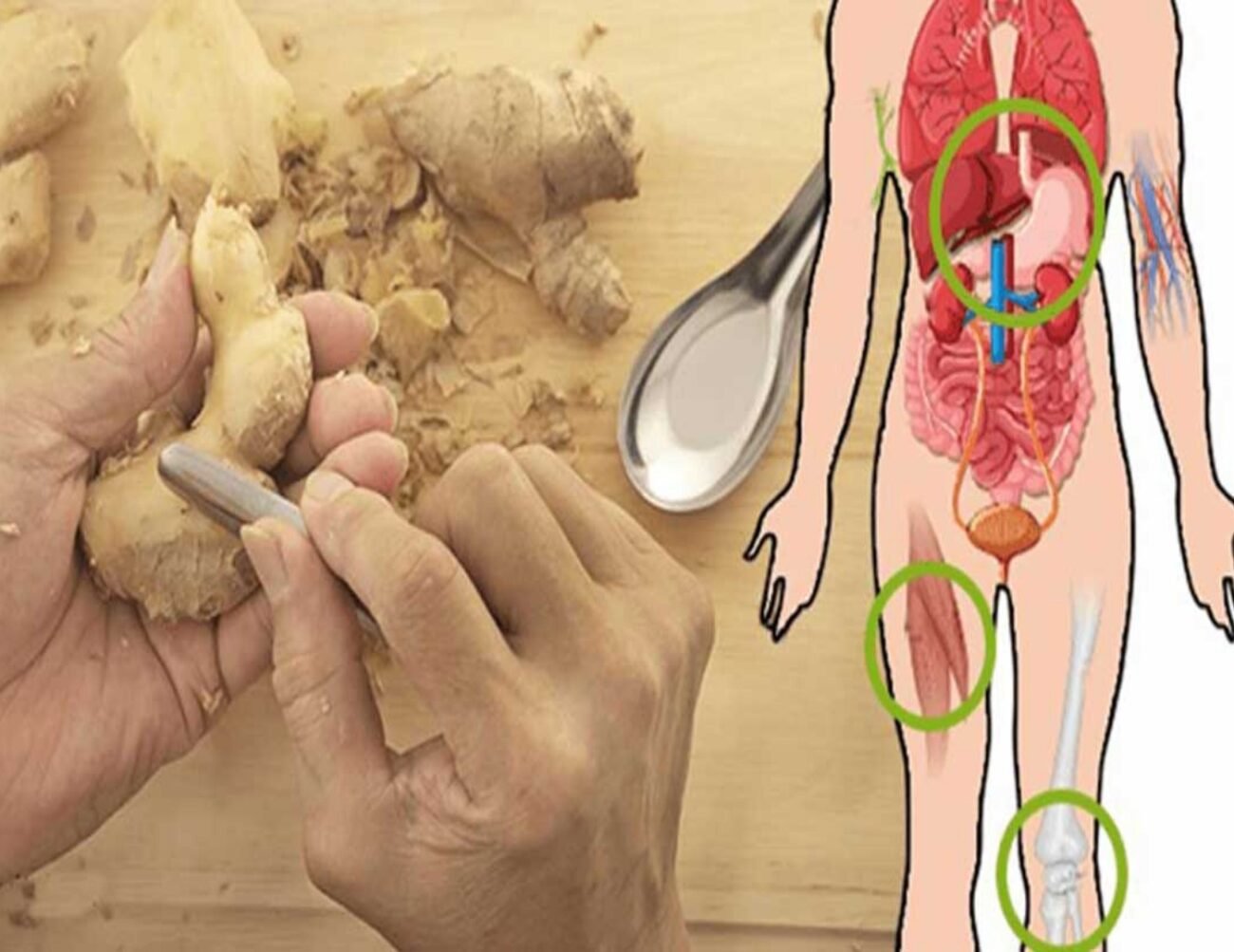
Many people around the world experience symptoms of irritable bowel syndrome, often without fully understanding what this condition involves. Although IBS is not typically considered life-threatening, it can deeply affect day-to-day comfort, energy, and overall well-being. When ignored for long periods, its symptoms may intensify, leading to persistent digestive discomfort and stress. For this reason, it is valuable to address it early, adopt supportive habits, and explore gentle natural approaches that can contribute to healthier digestion.
Irritable bowel syndrome varies from person to person, and its causes can include sensitivity to certain foods, stress, or irregular digestive processes. Because there is no single explanation, many people spend years feeling frustrated or discouraged by recurring symptoms such as cramping, bloating, or changes in bowel habits. Understanding the condition is an important first step, as knowledge allows individuals to choose strategies that support long-term digestive balance. A more informed approach can also help reduce anxiety linked to unexplained discomfort.
For those looking for complementary wellness options, natural remedies can sometimes offer comfort alongside lifestyle improvements such as hydration, physical activity, and mindful eating. While these approaches are not substitutes for professional medical advice, they can form part of a holistic routine aimed at soothing the digestive system. Some individuals also choose to incorporate vitamins or dietary supplements, especially when their eating habits, stress levels, or routines may be affecting their nutrient intake. Selecting high-quality products and using them responsibly can help support overall vitality.
Among the natural ingredients most commonly associated with digestive comfort, ginger has earned a strong reputation. Used for centuries in various traditional practices, ginger is appreciated for its pleasant aroma and its warming, calming effect on the stomach. Many people find that it helps ease occasional nausea or digestive unease after meals. This makes it a popular choice for those seeking gentle, plant-based support that can be easily integrated into daily routines.
Ginger contains natural compounds that have been widely studied for their potential soothing and balancing effects on the digestive tract. These compounds are often linked to the relaxation of intestinal muscles and support for smoother digestive flow. In addition, ginger is thought to have properties that may help the body maintain a healthy response to inflammation, which is useful when dealing with abdominal discomfort or irregular digestion. Although results vary from person to person, these qualities make ginger a valuable ingredient for many people looking to support their digestive health naturally.
Another benefit of ginger is its versatility, as it can be consumed in many forms—fresh, powdered, infused in teas, or blended in homemade preparations. Fresh ginger, in particular, contains aromatic oils that provide a warming sensation and stimulate the senses. When combined with other natural ingredients such as honey or lemon, it can create a refreshing and soothing drink. This simple preparation can be enjoyed throughout the day and fits easily into a balanced wellness routine.
A common recipe involves blending a small amount of peeled, crushed ginger root with water and a touch of honey. The mixture is then filtered to obtain a smooth, mildly spicy drink. This beverage can be consumed several times per day, depending on personal preference and tolerance. Honey adds a naturally sweet note while also providing a soothing texture that complements the sharpness of ginger. It is important to adjust quantities based on individual taste and sensitivity to stronger flavors.
People who include ginger-based drinks in their daily habits often describe feeling lighter and more comfortable after meals. The warm sensation produced by ginger can help promote relaxation in the stomach area, which is especially welcome during moments of digestive discomfort. While it is not a cure-all, it may offer gentle, natural support for those who experience occasional bloating or abdominal tightness. Consistency is key, as small daily practices tend to build meaningful changes over time.
Alongside natural remedies, long-term digestive comfort also depends on broader lifestyle considerations. Paying attention to hydration, eating smaller and well-balanced meals, and identifying foods that trigger symptoms can help reduce daily strain on the digestive system. Stress management plays a significant role as well, since emotional tension can greatly influence intestinal sensitivity. Practices such as breathing exercises, stretching, or mindful relaxation may complement natural treatments and support overall harmony.
As with any wellness approach, it is wise for individuals to listen to their bodies and seek personalized guidance when needed. A healthcare professional can help identify whether symptoms are related to IBS or another underlying issue. Combining medical advice with gentle natural practices, such as ginger-based preparations, may provide a balanced strategy for those seeking comfort and long-term well-being. By taking proactive steps and adopting supportive habits, many people find that they can improve their digestive experience and feel more in control of their health.
