
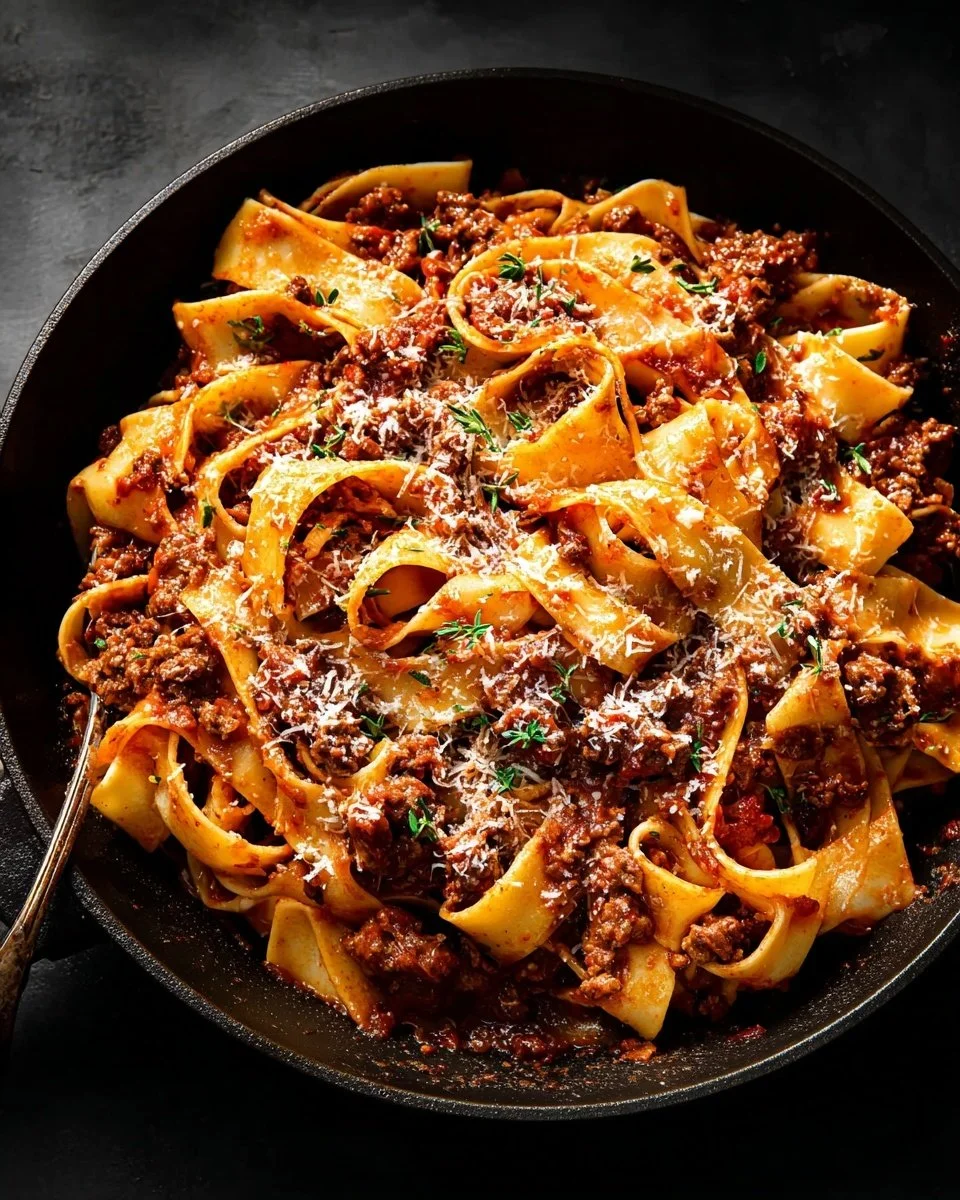
Why Make This Recipe
Slowly Braised Beef Ragu is a comforting and hearty meal perfect for family dinners or gatherings. The tender chunks of beef slowly cooked in a rich tomato sauce create a dish bursting with flavor that will warm both the stomach and the soul. This recipe is an invitation to indulge in a classic Italian comfort food that has a way of bringing everyone together around the table.
Cooking this ragu is not only satisfying but also provides an avenue to learn about the art of slow cooking. The gradual braising allows the flavors to meld beautifully, creating a depth that is simply unmatched. With its roots in traditional Italian cuisine, this dish delivers a satisfying experience from the first bite to the last.
Equipment Needed For Slowly Braised Beef Ragu
To create the perfect Slowly Braised Beef Ragu, having the right tools will make the process smooth and enjoyable. Start with a large pot, ideally a Dutch oven, that can handle the direct heat necessary for browning meat and simmering the sauce. You will also need a cutting board and a sharp knife for preparing your vegetables.
Measuring cups and spoons will help you get the proportions just right. Additionally, a wooden spoon is essential for stirring the ragu as it simmers. It’s handy to have a ladle for serving the final dish, as well as a colander for draining the pasta. Keep these kitchen essentials at hand, and you’ll be set to create your flavorful ragu.
What You Need to Make Slowly Braised Beef Ragu
- 3 tablespoons olive oil, divided
- 2 1/2 pounds beef chuck roast, trimmed and cut into large pieces
- 3 large carrots, peeled and diced
- 1 stalk celery, finely diced
- 1 large yellow onion, finely diced
- 8 cloves garlic, finely chopped
- 6 ounces tomato paste
- 1 cup dry red wine
- 3/4 ounce package fresh poultry herb blend or herbs (rosemary, sage, thyme)
- 2 dried bay leaves
- 1 parmesan rind (optional)
- 28 ounces crushed tomatoes
- 2 cups low-sodium beef broth or water
- Kosher salt and ground black pepper, to season
- 24 ounces pappardelle or pasta of choice
- 1/2 cup heavy cream
- 1/2 cup grated parmesan for serving, plus more as desired
- Chopped fresh basil or parsley for garnish
How to Cook Slowly Braised Beef Ragu Step by Step
To begin making your Slowly Braised Beef Ragu, heat 2 tablespoons of olive oil in a large pot over medium-high heat. While the oil heats, season your beef chunks with Kosher salt and ground black pepper. When the oil is hot, add the beef pieces to the pot. Brown the beef for about 3-4 minutes on each side until they have a nice dark color. Once browned, transfer the beef to a plate and set it aside.
Next, in the same pot, add the remaining olive oil. Throw in the diced carrots, finely diced celery, and the finely diced onion to create a soffritto. Cook these vegetables for about 15-20 minutes, ensuring to season them with salt and pepper to enhance their flavors. The mixture should be soft and fragrant, providing a solid flavor base for your sauce.
After your soffritto is ready, add the finely chopped garlic to the pot. Cook the garlic for 1-2 minutes until it becomes aromatic. Stir in the tomato paste and let it cook for an additional 2-3 minutes. This step is crucial as it caramelizes the paste, deepening the overall flavor. Next, deglaze the pot with the dry red wine, scraping the bottom with a wooden spoon to lift all those flavorful browned bits.
Once the wine is incorporated, tie together your fresh herbs using kitchen twine and add them along with the bay leaves to the pot. Pour in the crushed tomatoes and beef broth or water, then return the browned beef to the mixture. Bring everything to a gentle simmer. It’s best to cover the pot and allow the ragu to cook on low heat for 2.5 to 3 hours. This slow cooking will break down the beef into tender bites and meld all the flavors beautifully.
While the beef is simmering, prepare your pasta of choice according to the package instructions. Be sure to save 1 cup of the pasta water before draining the pasta. This saved water can later be used to adjust the ragu’s consistency for a perfect sauce.
After the beef has become tender, it’s time to finish off your ragu. Stir in the heavy cream and grated parmesan cheese into the sauce, mixing well. Now, gently toss in your cooked pasta, along with some reserved pasta water as needed, until you reach your desired consistency. This step makes the ragu creamy and ensures every piece of pasta is well-coated in the sauce.
Finally, serve your Slowly Braised Beef Ragu with a generous sprinkle of additional parmesan cheese on top and garnish with chopped fresh basil or parsley. The aroma of the dish will surely entice everyone to dig in right away. Enjoy the comforting flavors while creating beautiful memories around your dinner table.
How To Make Slowly Braised Beef Ragu
Making Slowly Braised Beef Ragu is straightforward but requires patience, as the key to this dish lies in the slow cooking process. Begin by gathering all your ingredients and preparing them ahead. This will help in keeping the workflow seamless as you cook.
Start the dish by browning the beef, an essential step that adds flavor to your ragu. The oil should be sufficiently hot to ensure a good sear. After browning, focus on building a robust flavor base with your soffritto; this mixture of carrots, celery, and onions serves as the heart of your sauce.
The addition of garlic and tomato paste enriches the flavor further, while deglazing with red wine enhances the taste profile. Slow cooking allows the beef to break down, resulting in a beautifully tender texture. Incorporating cream and parmesan toward the end transforms the dish into a luxurious meal.
Serve your ragu hot over pappardelle or pasta of your choice, and don’t forget the garnish for a fresh flavor burst. Enjoy every mouthful of this hearty dish, a true crowd-pleaser that makes for a delightful dinner.
How To Serve Slowly Braised Beef Ragu
Serving Slowly Braised Beef Ragu is as delightful as making it. Start by plating the cooked pasta generously topped with the ragu sauce. Ensure that each plate has a good amount of sauce for a rich taste experience.
Top with freshly grated parmesan cheese for added flavor and a beautiful presentation. A sprinkle of chopped fresh basil or parsley adds color and freshness to the dish. It’s the little touches that elevate your ragu presentation to the next level.
For a more formal dining experience, consider serving the ragu family-style in a large bowl, allowing diners to help themselves. This creates a warm, inviting atmosphere, encouraging conversation and connection during the meal. Pair with a crusty baguette or garlic bread on the side to mop up the sauce for a satisfying complete meal.
What To Serve With Slowly Braised Beef Ragu
While Slowly Braised Beef Ragu is delicious on its own, a few sides can enhance the dining experience further. A simple green salad with a light vinaigrette pairs wonderfully, balancing the richness of the ragu. The freshness of the salad provides contrast and adds a healthy element to your meal.
Garlic bread or crusty baguette is another excellent accompaniment. These bread options allow everyone to enjoy the flavorful sauce, and the combination is comforting and delicious.
For beverage pairings, a glass of the same dry red wine used in the recipe complements the meal beautifully. The wine will echo the flavors in the ragu, creating a harmonious dining experience.
Consider adding a side of roasted or sautéed seasonal vegetables for color and nutrition. These elements bring balance and variety to each plate, making your dining experience both visually appealing and satisfying.
How To Store Slowly Braised Beef Ragu
If you happen to have leftovers after enjoying your Slowly Braised Beef Ragu, storing it properly will ensure it stays delicious. Allow the ragu to cool completely before placing it in an airtight container. Store it in the refrigerator where it will keep well for up to 3-4 days for maximum freshness.
For longer storage, you can freeze the ragu. Place the cooled ragu into freezer-safe containers or bags, ensuring to remove as much air as possible. It will maintain its flavor and quality in the freezer for about 3 months.
When you’re ready to enjoy it again, defrost the frozen ragu in the refrigerator overnight. Once thawed, reheat it in a pot over low heat, stirring occasionally. Add a splash of beef broth or water if necessary to reach your desired consistency before serving over fresh pasta.
Tips To Make Slowly Braised Beef Ragu
To ensure your Slowly Braised Beef Ragu turns out perfectly, follow some helpful tips. First, using a good quality beef chuck roast will significantly impact the flavor and tenderness. Don’t rush the browning process; let the meat develop a nice crust for added flavor.
When building your soffritto, ensure that the vegetables are chopped evenly for even cooking. Take your time with the slow simmering; patience is key. The longer the beef cooks, the more tender it will be, and the flavors will deepen beautifully.
Don’t skip the deglazing step with red wine. This process is crucial in lifting those flavorful bits from the pot, adding depth to your ragu. Lastly, taste and adjust the seasoning as you go; every batch can vary slightly based on ingredient freshness.
Variation
While the traditional Slowly Braised Beef Ragu is delicious as is, variations can be made to cater to personal preferences. For those looking for a twist, consider using pork shoulder instead of beef for a different flavor profile.
If you’re inclined towards a lighter option, substitute the heavy cream with half-and-half or omit it altogether for a more classic ragu. Adding mushrooms or bell peppers can also enhance the texture and flavor of your ragu, bringing a unique twist to the dish.
For a spicier version, try adding red pepper flakes when incorporating the garlic. This simple adjustment can elevate the dish with additional heat, adding a new dimension to the overall flavor. Experimentation does not undermine the classic; rather, it allows for personal touches that make the dish your own.
Best Time To Make Slowly Braised Beef Ragu
While you can enjoy Slowly Braised Beef Ragu any day of the week, it shines particularly on weekends or special occasions. The process requires time and attention, making it a perfect dish to prepare when you have a few hours to spare.
Cold winter evenings are also ideal for this recipe; the warmth and heartiness of the ragu create a sense of comfort during the chilly months. Preparing this dish for family gatherings or dinner parties will leave a lasting impression as everyone shares in the deliciousness of a homemade meal.
If you’re hosting, it’s a pleasant idea to prep the ragu ahead of time. The flavors continue to develop as it sits, making the next-day leftovers even tastier.
Common Mistakes To Avoid
While making Slowly Braised Beef Ragu is rewarding, there are a few common pitfalls worth avoiding. First, don’t skip the browning phase of the beef; this step is crucial for developing a complex flavor profile in your dish.
Be mindful of overcooking the vegetables during the soffritto stage; they should soften but not caramelize too much. Additionally, ensure you are simulating at a low and steady heat; if the heat is too high, it can lead to tough meat instead of tender beef.
Lastly, avoid under-seasoning your ragu. Making adjustments as you go is essential for creating a balanced and flavorful dish. The vibrant flavors come together beautifully, but proper seasoning will maximize every bite of the ragu.
Nutritional Notes
Slowly Braised Beef Ragu provides a hearty amount of protein and vital nutrients from the beef and vegetables. While it is a rich dish, balancing it with a side salad or veggies can help make it a nutritious meal.
Using fresh herbs enhances not only the flavor but also the nutritional profile of the dish, providing antioxidants and various vitamins. Opting for whole wheat or alternative pasta can increase fiber content, assisting in promoting digestive health.
As with all meals, moderation is key. Keeping portion sizes in check while enjoying the flavors of your ragu will ensure a balanced diet without sacrificing taste.
FAQs
Can I make Slowly Braised Beef Ragu in advance?
Yes, this dish actually tastes better the next day. You can prepare it ahead of time and reheat it when you’re ready to serve.
What can I use instead of pappardelle?
Any pasta shape will work in this ragu. Fettuccine, rigatoni, or even traditional spaghetti can substitute to suit your preference.
Can I use a slow cooker for this recipe?
Absolutely! After browning the meat and sautéing the vegetables, transfer everything to a slow cooker and let it simmer on low for 6-8 hours for tender beef and rich flavor.
Conclusion
Slowly Braised Beef Ragu is the perfect dish to warm your heart and satisfy your taste buds. Its rich flavors and incredible aroma invite you to relish every bite, making it an ideal meal for gatherings and cozy nights in.
With simple ingredients and straightforward cooking methods, you can create a comforting meal that showcases the beauty of slow cooking. Whether served over pasta or enjoyed with crusty bread, this dish will undoubtedly become a beloved favorite in your home. Embrace this culinary journey, and let your kitchen fill with the scents of delicious ragu that bring people together.
Slowly Braised Beef Ragu
Ingredients
Method
- Heat 2 tablespoons of olive oil in a large pot over medium-high heat.
- Season beef chunks with Kosher salt and ground black pepper.
- Add beef pieces to the hot oil and brown for about 3-4 minutes on each side.
- Transfer the browned beef to a plate and set aside.
- In the same pot, add the remaining olive oil and add diced carrots, celery, and onion to create a soffritto.
- Cook for 15-20 minutes, seasoning with salt and pepper.
- Add finely chopped garlic and cook for 1-2 minutes until aromatic.
- Stir in tomato paste and cook for an additional 2-3 minutes.
- Deglaze the pot with red wine, scraping the bottom to lift browned bits.
- Tie fresh herbs with kitchen twine and add to the pot with bay leaves.
- Pour in crushed tomatoes and beef broth, then return browned beef to the pot.
- Bring to a gentle simmer, cover the pot, and let cook on low heat for 2.5 to 3 hours.
- Prepare pasta according to package instructions, saving 1 cup of pasta water before draining.
- Once beef is tender, stir in heavy cream and grated parmesan into the ragu.
- Toss in cooked pasta with some reserved pasta water to reach desired consistency.
- Serve with additional parmesan cheese on top and garnish with fresh basil or parsley.
